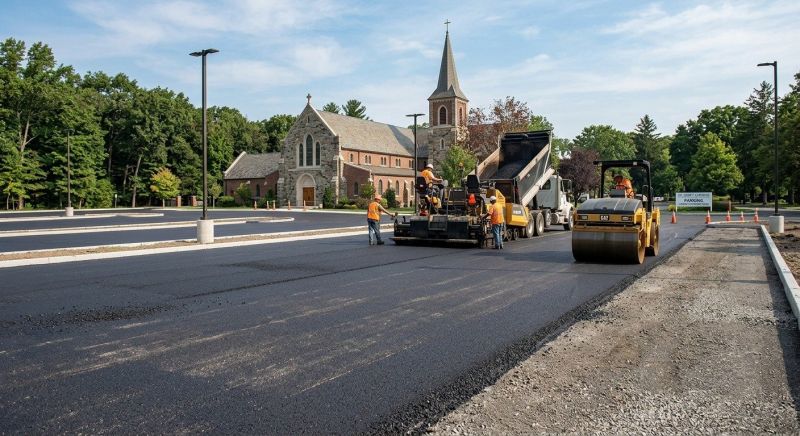
Church Parking Lot Paving in Los Angeles, CA
Church parking lot paving services involve the installation, resurfacing, or repair of asphalt surfaces designed to accommodate vehicle traffic for religious facilities. These projects typically include new paving for parking areas, asphalt overlays to restore worn surfaces, and crack or pothole repairs to maintain safety and functionality. Property owners often seek these services to ensure their parking lots are durable, visually appealing, and capable of handling high traffic volumes, especially during busy service times or special events.
Before requesting church parking lot paving, property owners should consider the current condition of their existing surface, the size of the area needing work, and any specific requirements related to drainage or accessibility. It’s also helpful to understand the scope of the project, including whether it involves complete removal and replacement or simple resurfacing. Clarifying these details can help ensure the paving services meet the needs of the property and provide a long-lasting, safe parking area for visitors and staff.
Many property owners in Los Angeles, CA look into Church Parking Lot Paving for repairs, replacements, upgrades, and appearance-related improvements.
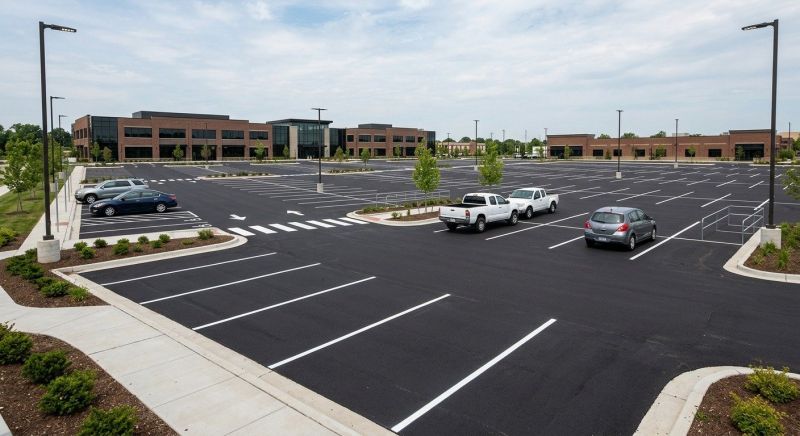
Parking Lot Resurfacing
Restoring worn-out surfaces to improve safety and appearance.
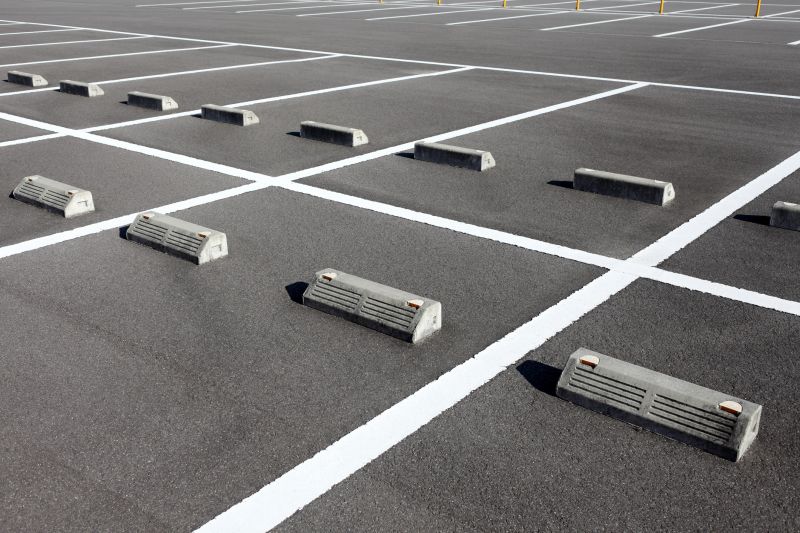
New Parking Area Installation
Creating durable paved spaces for church visitors and staff.
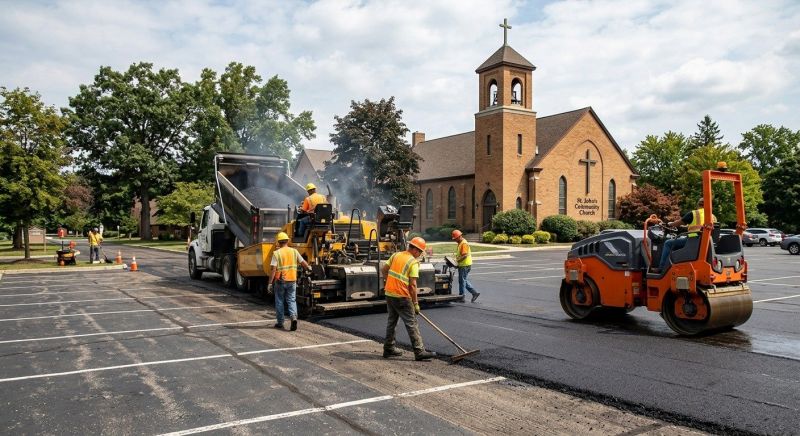
Line Striping And Marking
Enhancing traffic flow and organization with clear markings.
Church Parking Lot Paving in Los Angeles, CA

Church parking lot paving services involve the installation, resurfacing, or repair of asphalt surfaces designed to accommodate vehicle traffic for religious facilities. These projects typically include new paving for parking areas, asphalt overlays to restore worn surfaces, and crack or pothole repairs to maintain safety and functionality. Property owners often seek these services to ensure their parking lots are durable, visually appealing, and capable of handling high traffic volumes, especially during busy service times or special events.
Before requesting church parking lot paving, property owners should consider the current condition of their existing surface, the size of the area needing work, and any specific requirements related to drainage or accessibility. It’s also helpful to understand the scope of the project, including whether it involves complete removal and replacement or simple resurfacing. Clarifying these details can help ensure the paving services meet the needs of the property and provide a long-lasting, safe parking area for visitors and staff.
Many property owners in Los Angeles, CA look into Church Parking Lot Paving for repairs, replacements, upgrades, and appearance-related improvements.
Common Church Parking Lot Paving Jobs
Parking lot paving involves installing new asphalt surfaces for church parking areas.
Resurfacing services restore worn or damaged pavement to improve safety and appearance.
Sealcoating helps protect asphalt from weather damage and extends its lifespan.
Crack filling prevents water infiltration and further deterioration of the pavement.
Pothole repair addresses existing damage to maintain a smooth, safe parking surface.
Line striping enhances parking lot organization and traffic flow for visitors.
Church Parking Lot Paving Questions
What types of parking lot surfaces are suitable for paving? Asphalt and concrete are common choices for church parking lots due to durability and ease of maintenance.
How does parking lot paving improve safety? Proper paving creates a smooth surface, reducing trip hazards and facilitating clear traffic flow.
What should property owners consider before paving a parking lot? It is important to evaluate drainage, existing condition, and future expansion needs.
Are repairs necessary after parking lot paving? Regular inspections can identify areas needing sealing or patching to extend the pavement's lifespan.
Request Church Parking Lot Paving in Los Angeles, CA
Use the quote form on this page to share the basics of your project and request more information for the type of work you need.